What Is a Pellet Stove Igniter & How Does It Work?
Pellet Stove Igniter is a critical component in automatic pellet stoves — it’s the part that heats up to ignite wood pellets and get your stove running efficiently on cold mornings and chilly nights. This comprehensive guide will walk you through what an igniter is, how it functions, the different types, troubleshooting tips, installation insights, and expert answers to frequently asked questions.
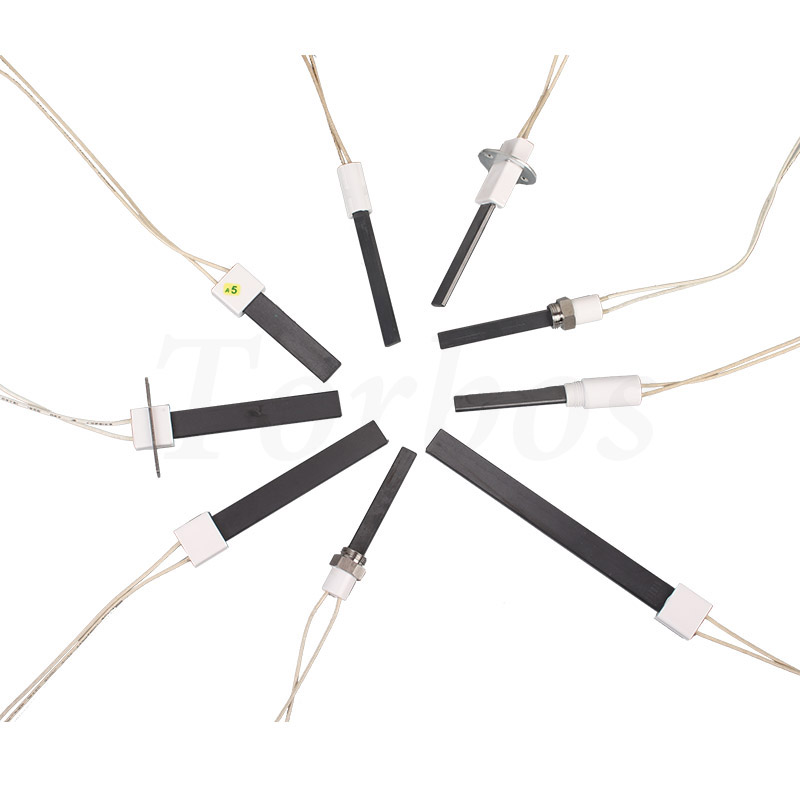
Table of Contents
-
What Is a Pellet Stove Igniter?
-
How Does a Pellet Stove Igniter Work?
-
What Types of Igniters Are Used?
-
When Should You Replace a Pellet Stove Igniter?
-
How Do You Maintain and Clean an Igniter?
-
What Causes Ignition Problems?
-
Frequently Asked Questions
-
Contact Us
What Is a Pellet Stove Igniter?
A pellet stove igniter is an electric heating element installed inside a pellet stove that heats up to extremely high temperatures in order to ignite the fuel (pellets) during the stove’s startup phase. Without the igniter, the stove could not start a combustion process on its own.
Unlike manual ignition (using a match or torch), automatic pellet stove igniters are designed to provide a safe, consistent, and controlled ignition process that makes pellet stoves convenient and efficient heating systems.
How Does a Pellet Stove Igniter Work?
When the stove starts its ignition sequence, the control board sends electrical current to the igniter’s heating element. The igniter’s resistance causes it to heat up rapidly — sometimes exceeding 1000°F — and either the hot air flowing past the element or direct contact with the glowing element ignites the pellets in the burn pot.
Once the pellets catch fire and the combustion stabilizes, sensors detect the flame and the system stops powering the igniter to prevent unnecessary wear.
|
Component
|
Role in Ignition
|
|
Igniter
|
Heats up to start combustion
|
|
Burn Pot
|
Where pellets rest during ignition
|
|
Control Board
|
Manages electrical power & ignition timing
|
|
Sensors
|
Detect flame presence
|
What Types of Igniters Are Used?
Different pellet stove models employ different igniter designs, each with benefits depending on stove design and operation style:
-
Ceramic Igniters — durable and efficient, resist cracking, common in modern stoves.
-
Glow Plug Igniters — heat up quickly with a glowing element similar to diesel engine plugs.
-
Hot Rod Igniters — heat rapidly and are among the fastest heating options.
When Should You Replace a Pellet Stove Igniter?
Igniters don’t last forever. On average, a ceramic or glow plug igniter might last 3–5 years depending on usage, heat cycles, and stove maintenance.
If an igniter fails to heat up, stops glowing consistently, or causes the stove to fail during start-up, it’s likely time for a replacement. Replacement typically requires uninstalling the old igniter, installing a new one in its housing, and reconnecting wiring per your stove’s manual.
How Do You Maintain and Clean an Igniter?
Proper maintenance ensures your pellet stove igniter works reliably and lasts longer:
-
Turn off power and allow the stove to cool completely.
-
Gently vacuum ash, dust, or pellet debris near the igniter and burn pot.
-
Carefully wipe the igniter rod with a dry cloth; do not use liquids.
-
Inspect wiring for frays or loose connectors.
-
Test the igniter periodically during regular stove starts.
What Causes Ignition Problems?
Ignition issues can stem from several sources — not just the igniter itself:
-
Airflow blockages — restrict combustion and prevent proper ignition.
-
Inefficient pellets — high moisture pellets take longer to ignite.
-
Faulty wiring — poor connection impedes power to the igniter.
-
Stove control issues — electrical or board errors can prevent correct ignition cycles.
Frequently Asked Questions