The Wood Pellet Burner Igniter plays a crucial role in modern biomass heating systems, ensuring fast, stable, and efficient ignition of wood pellets for residential, commercial, and industrial applications. This article explores how igniters work, why they are essential, common user challenges, maintenance strategies, and how to choose the right igniter for long-term reliability. It also provides practical insights, troubleshooting guidance, and technical comparisons to help users reduce downtime, improve energy efficiency, and extend system lifespan.
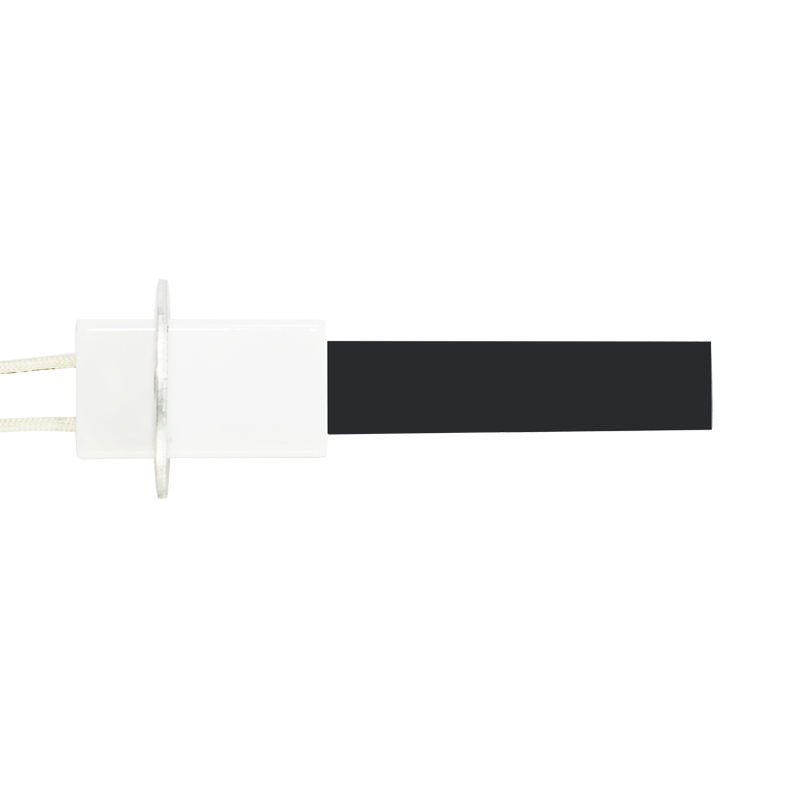
Introduction to Wood Pellet Burner Igniter
A Wood Pellet Burner Igniter is a specialized heating component designed to ignite compressed wood pellets inside biomass burners. Unlike traditional ignition methods such as manual fire-starting or gas-assisted ignition, modern igniters provide automatic, controlled, and highly efficient ignition processes.
As global demand for renewable energy increases, pellet heating systems have become widely used in homes, factories, greenhouses, and commercial heating systems. However, the reliability of these systems depends heavily on one critical component—the igniter.
Without a stable ignition source, pellet burners may experience delayed startup, incomplete combustion, excessive smoke, or even system failure. This makes the igniter not just a component, but a core driver of performance and efficiency.
Why Ignition Matters in Pellet Burner Systems
Efficient ignition directly influences fuel consumption, emissions, and system stability. A weak or inconsistent ignition system can lead to wasted pellets and increased maintenance costs.
-
Energy Efficiency: Fast ignition reduces startup energy loss.
-
Emission Control: Complete combustion reduces smoke and particulate emissions.
-
System Longevity: Stable ignition reduces thermal stress on components.
-
User Convenience: Automatic ignition eliminates manual intervention.
In modern biomass heating systems, ignition speed can determine overall heating performance. A delay of even a few minutes per cycle can significantly impact energy efficiency over time.
How a Wood Pellet Burner Igniter Works
The igniter works by converting electrical energy into heat, which is then transferred to the pellet bed to initiate combustion. Most igniters operate using either resistance heating or hot air ignition principles.
Basic Working Steps:
-
The control system activates the igniter when startup begins.
-
The igniter rapidly heats to high temperatures (often 600°C–1000°C).
-
Heat is transferred to wood pellets in the combustion chamber.
-
Pellets begin to smolder and ignite.
-
Flame stabilizes and the burner enters normal operation mode.
This automated process ensures consistent ignition without manual intervention, reducing operational complexity.
Main Types of Pellet Burner Igniters
Different systems use different igniter technologies depending on performance requirements and budget constraints.
-
Ceramic Igniters: Fast heating, high durability, energy-efficient.
-
Metal Rod Igniters: Cost-effective but slower heating response.
-
Hot Air Igniters: Use airflow to ignite pellets, ideal for industrial systems.
-
Cartridge Heaters: Compact and widely used in automated systems.
Among these, ceramic igniters are widely preferred for their balance of efficiency and longevity.
Common Problems Users Face
Even high-quality pellet burner systems may encounter ignition-related issues over time.
-
Slow ignition or delayed startup
-
Complete ignition failure
-
Excessive power consumption
-
Frequent igniter burnout
-
Carbon buildup reducing performance
These issues often arise due to improper installation, poor maintenance, or low-quality components.
Troubleshooting and Solutions
Identifying the root cause of ignition issues can significantly reduce downtime.
-
Check Electrical Supply: Ensure stable voltage supply to the igniter.
-
Inspect Wiring: Loose or damaged wiring can prevent heating.
-
Clean Combustion Chamber: Remove ash buildup regularly.
-
Replace Aging Igniters: Performance declines over time.
Preventive maintenance is often more cost-effective than reactive repairs.
How to Choose the Right Igniter
Selecting the right Wood Pellet Burner Igniter depends on system size, fuel type, and operating conditions.
-
Power Rating: Match igniter wattage with burner requirements.
-
Material Quality: Ceramic materials offer better durability.
-
Heating Speed: Faster ignition improves efficiency.
-
Compatibility: Ensure compatibility with burner control systems.
High-quality manufacturing standards ensure consistent ignition performance and reduce maintenance frequency.
Installation Guidelines
Proper installation is essential for achieving optimal ignition performance.
-
Ensure the burner is powered off before installation.
-
Securely mount the igniter in the designated position.
-
Check electrical connections for stability.
-
Test ignition cycle under controlled conditions.
Incorrect installation may result in uneven heating or premature failure.
Maintenance Tips for Long Service Life
Regular maintenance ensures consistent performance and extends the lifespan of the igniter.
-
Clean ash deposits weekly
-
Avoid moisture exposure
-
Inspect electrical connections monthly
-
Replace worn components promptly
A well-maintained igniter can significantly improve system efficiency and reduce operational costs.
Igniter Type Comparison Table
|
Type
|
Heating Speed
|
Durability
|
Cost
|
Best Use Case
|
|
Ceramic Igniter
|
Fast
|
High
|
Medium
|
Residential & industrial systems
|
|
Metal Rod Igniter
|
Medium
|
Medium
|
Low
|
Budget applications
|
|
Hot Air Igniter
|
Fast
|
High
|
High
|
Large-scale industrial burners
|
Applications Across Industries
Wood pellet burner igniters are widely used across multiple industries:
-
Residential heating systems
-
Industrial boilers
-
Greenhouse temperature control
-
Commercial cooking systems
-
Renewable energy plants
Their adaptability makes them a key component in sustainable energy solutions.
Safety Considerations
Safety is critical when dealing with high-temperature ignition systems.
-
Always disconnect power before maintenance
-
Avoid direct contact with heated surfaces
-
Use certified components only
-
Follow manufacturer installation guidelines
Frequently Asked Questions
Q1: How long does a Wood Pellet Burner Igniter last?
A: Typically between 3,000 and 10,000 ignition cycles depending on material and usage conditions.
Q2: Why is my igniter failing frequently?
A: Common reasons include poor electrical supply, overheating, or carbon buildup.
Q3: Can I replace the igniter myself?
A: Yes, but only if you follow safety procedures and manufacturer instructions.
Q4: What is the best type of igniter?
A: Ceramic igniters are generally preferred for their balance of durability and efficiency.
Conclusion
The Wood Pellet Burner Igniter is a vital component that directly influences heating efficiency, operational stability, and energy consumption. Choosing the right type, ensuring proper installation, and performing regular maintenance can significantly improve system performance and reduce long-term costs.
High-quality manufacturing and reliable engineering are essential to achieving consistent ignition results. Companies like Haining Torbo Ceramic Products Co.,LTD. are contributing to advancements in ignition technology through durable ceramic solutions designed for modern heating systems.
Whether for residential heating or industrial energy systems, investing in a reliable igniter ensures smoother operation, fewer breakdowns, and better energy utilization.
Contact us to learn more about high-performance Wood Pellet Burner Igniter solutions tailored to your specific heating system requirements.