
Is Your Home’s Warmth at Risk What Are the Silent Signs of a Failing Pellet Stove Igniter
For over two decades in the heating and home comfort sector, I’ve had a front-row seat to the seasonal struggles homeowners face. There’s a particular component, small yet absolutely critical, whose failure can leave you in the cold at the worst possible time. I’m talking about the Pellet Stove Igniter. It’s the unsung hero that starts the heart of your stove, and its gradual decline often goes unnoticed until it’s too late. At Torbo, we understand this frustration deeply. Through countless customer conversations and technical analyses, we’ve learned that recognizing the early warnings is the key to uninterrupted warmth, safety, and efficiency. Let’s walk through what you need to know.
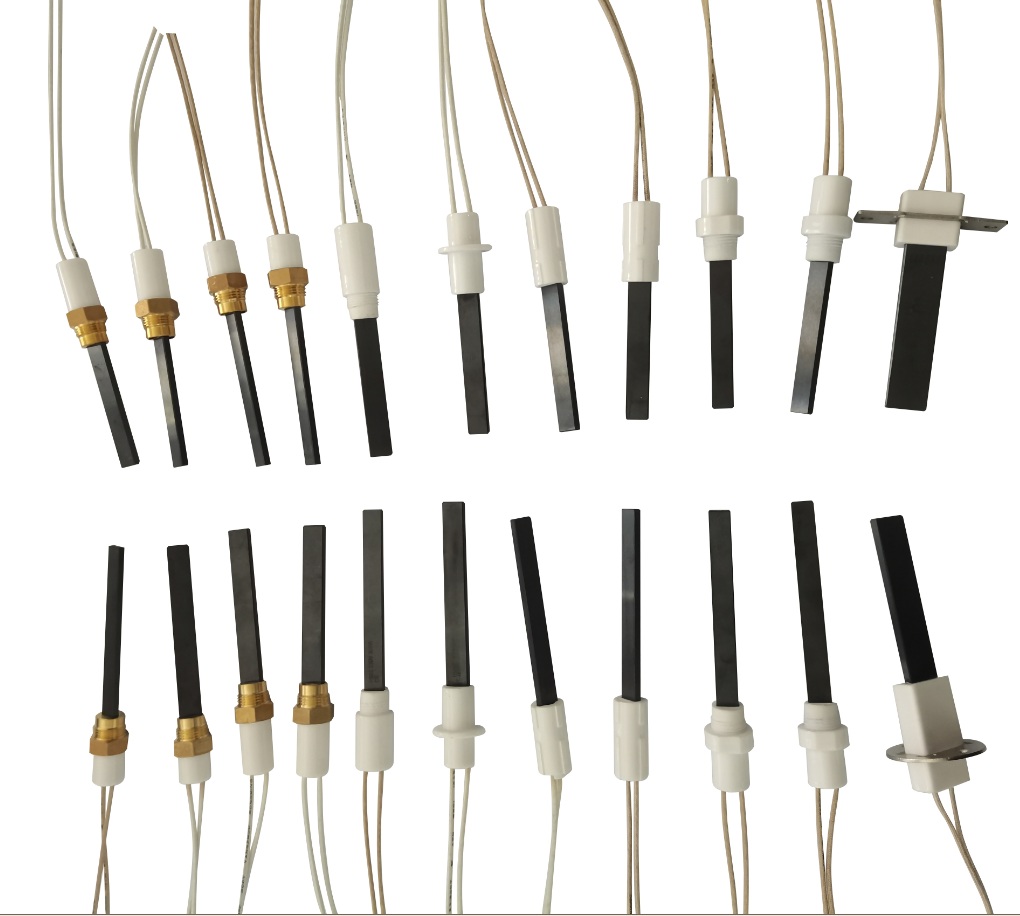
Why Should You Care About a Seemingly Small Igniter Glow
You might think a failing igniter simply means your stove won’t start. While that’s the final stage, the journey there is paved with inefficiency and potential hazards. A compromised Pellet Stove Igniter struggles to reach the necessary high temperatures consistently. This leads to extended start-up cycles, excessive pellet consumption, and incomplete combustion—which can cause problematic soot buildup in your burn pot and exhaust system. Ignoring the signs doesn’t just risk a cold morning; it risks costly follow-on damage and reduces the lifespan of your entire appliance. Investing in a reliable, high-quality replacement, like those engineered by Torbo, is ultimately an investment in peace of mind and long-term savings.
Can Your Stove’s Behavior Reveal an Igniter on the Brink Absolutely
Your pellet stove communicates with you. The trick is understanding its language. Here are the most common behavioral red flags signaling your Pellet Stove Igniter is nearing the end of its service life.
-
Extended or Failed Start-Up Cycles: The most direct sign. If your stove takes significantly longer to ignite the pellets or fails after multiple attempts (often triggering an error code), the igniter is the prime suspect. It’s no longer getting hot enough, fast enough.
-
Inconsistent Ignition: It works sometimes, but fails on other attempts, especially on damper, colder days. This inconsistency points to an igniter that is degrading and struggling under varying conditions.
-
Excessive Pellet Consumption During Start-Up: Listen to your auger. If it seems to feed pellets for an unusually long time before ignition, or if you see an overflow of unburned pellets in the pot, the igniter isn’t creating a timely ember bed.
-
Frequent Error Code Resets: Modern stoves have safeties. If you’re constantly resetting “ignition failure” codes, you’re treating a symptom, not the disease—which is often a weak igniter.
-
Visual Inspection Reveals a Problem: During a cool, safe inspection, a healthy igniter should be largely intact. Look for obvious signs of failure:
-
A cracked or broken ceramic body.
-
A glowing element that is severely distorted, sagging, or has visible hot spots.
-
Significant corrosion or pitting on the metal surface.
-
What Makes a Torbo Replacement Igniter a Smarter Choice
Not all Pellet Stove Igniter components are created equal. Choosing a cheap, generic part can lead to repeat failures and frustration. At Torbo, we build our igniters based on two decades of material science and real-world application data. Here’s a breakdown of the key parameters that define our professional-grade products.
Torbo Premium Igniter Core Specifications
| Parameter | Torbo Specification | Industry Standard | Benefit to You |
|---|---|---|---|
| Heating Element Alloy | Proprietary Fe-Cr-Al Super Alloy | Standard Fe-Cr-Al | Faster heat-up time, higher maximum temperature, and superior oxidation resistance for a longer lifespan. |
| Ceramic Insulation | High-Density, Fiber-Reinforced Ceramic | Standard Porcelain | Withstands greater thermal shock, reducing cracks from rapid heating/cooling cycles. Excellent electrical isolation. |
| Lead Wire Gauge & Insulation | 14 AWG, High-Temp Silicone (500°F+) | 16-18 AWG, Varied | Thicker wires minimize voltage drop; superior insulation prevents melting near the hot zone, a common failure point. |
| Cold Resistance (Ohms) | Precisely Matched to OEM Specs (±5%) | Wide Tolerances | Ensures correct current draw for your stove’s control board, preventing electrical stress and error codes. |
| Average Rated Lifespan | 3-5 Heating Seasons (under normal use) | 1-3 Seasons | Greater durability and reliability, meaning fewer replacements and more consistent performance. |
How Do You Select the Correct Torbo Igniter for Your Model
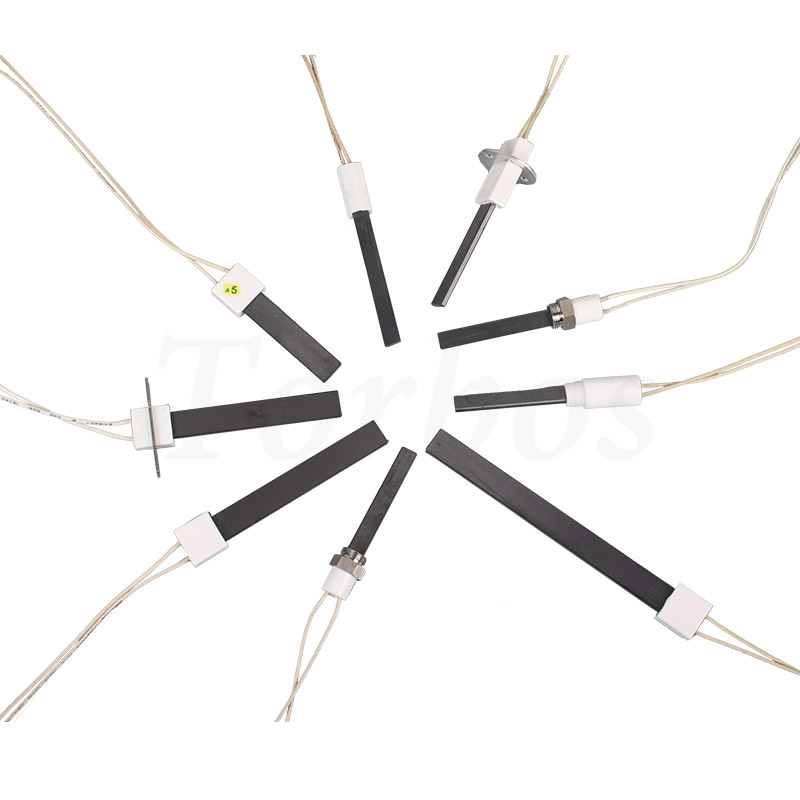
Compatibility is everything. Installing an incorrect igniter can be ineffective or even dangerous. Our selection is meticulously cataloged. Use this guide as a starting point.
Pellet Stove Igniter Selection Guide
| Your Stove’s Brand | Key Compatibility Check | Recommended Torbo Series | Installation Note |
|---|---|---|---|
| Harmon, Quadra-Fire | Igniter Probe Length & Mounting Bracket Style | Torbo T-Series Pro | Pay close attention to the terminal connector type; our kits include adapters for common variants. |
| Whitfield, Enviro | Voltage Requirement (Typically 120V) & Shape | Torbo Classic Direct-Drive | Ensure the plug configuration matches your existing wiring harness. |
| US Stove Company | Amperage Draw & Probe Diameter | Torbo ValueLine Universal | Many models use a standardized size; verify amperage with your manual. |
| St. Croix, Napoleon | Complex Bracket Alignment & Lead Length | Torbo PrecisionFit OEM+ | These often require precise alignment; our kits include detailed model-specific templates. |
Have Questions Our Pellet Stove Igniter FAQ Has Your Answers
Over the years, my team at Torbo has compiled the most pressing questions from professionals and homeowners alike. Here are three essential ones.
What is the most common cause of pellet stove igniter failure
The primary killer is thermal fatigue. Each heating and cooling cycle expands and contracts the metal element. Over hundreds of cycles, this stress leads to micro-fractures, increasing resistance at that spot, causing it to overheat and fail. Low-quality alloys succumb much faster. Our Torbo proprietary alloy is specifically formulated to withstand this cyclic stress far longer.
Can I test a pellet stove igniter myself
Yes, a basic resistance check is a safe and informative test. First, ensure the igniter is completely cool and disconnected from the stove. Use a multimeter set to measure resistance (Ohms). Place the probes on the two electrical terminals. A reading between 30 and 50 Ohms is typical for a healthy 120V igniter. A reading of infinity (open circuit) means it’s broken. A reading significantly lower than expected indicates an internal short. Remember, this test doesn’t check its ability to hold temperature under load, which is where high-grade materials matter.
Why does my new igniter still not work properly
If you’ve installed a new Pellet Stove Igniter and problems persist, the issue may be external. First, verify the voltage is reaching the igniter terminals during the start cycle with a voltmeter. Lack of power points to a control board, safety switch, or wiring issue. Also, check the combustion blower is creating adequate airflow; a weak blower won’t feed the igniter with enough oxygen, preventing it from reaching proper temperature, even if the element itself is functional.
Are You Ready to Restore Reliable Ignition and Peace of Mind
Watching for the signs we’ve discussed can save you from a cold surprise. A failing Pellet Stove Igniter is not just an inconvenience—it’s the beginning of a cascade of inefficiencies. Choosing a replacement is a decision that impacts your comfort, safety, and wallet for seasons to come. At Torbo, we’ve dedicated our expertise to engineering a solution that doesn’t just replace but upgrades your stove’s reliability. Our specs speak for themselves, and our commitment to compatibility ensures a seamless fix.
Don’t wait for the final failure. If any of the warning signs feel familiar, it’s time to take action. Visit the Torbo website today. Use our detailed compatibility guide to find the perfect match for your stove model. Our products come with clear instructions and the backing of a team that genuinely understands pellet stove systems. Contact us now if you have any questions—let our experience guide you back to dependable warmth.
Send Inquiry


X
We use cookies to offer you a better browsing experience, analyze site traffic and personalize content. By using this site, you agree to our use of cookies.
Privacy Policy